

Boost Dopamine, Focus, and Joy in Your Movement
If working out has always felt like a sweaty, repetitive chore you dread more than enjoy… or the thought of a typical gym session has you squirming with anxiety or restlessness, you’re definitely not alone. Maybe you want to be more active but hate the boredom, pressure, and endless “shoulds” that come with traditional workouts… or you’ve tried countless routines only to find none that really stick because they just don’t fit your brain or your vibe.
Or maybe you’ve started a workout plan 17 times only to ghost it by week two — welcome. You’re not lazy or broken. You just have a brain that needs a different kind of rhythm.
You probably already know, movement is medicine — especially for ADHD brains. It helps boost dopamine and norepinephrine, the same brain chemicals ADHD meds target. The right kind of movement can improve:
- Focus and mental clarity
- Mood regulation and emotional resilience
- Energy balance (bye, burnout)
- Sleep, motivation, and even memory
Here’s the thing: not every workout suits every brain or every moment. Instead of forcing yourself into a workout that feels like punishment, let’s explore some joyful movement possibilities that might actually strike a chord for you…
The right kind of movement isn’t punishment or a chore to endure. It’s freedom to reclaim your rhythm, reawaken your power, and rediscover joy in motion.
First, What Makes a Workout ADHD-Friendly?
For adults with ADHD, the best workouts often share these traits:
✨ Stimulating – Not boring or repetitive
🧠 Structured – So you don’t get stuck deciding what to do every few minutes
💃 Mind-body connected – Helps regulate emotions and body awareness
💬 Social or team-based – Adds motivation, structure, and accountability
🔁 Repetitive & rhythmic – Soothes the nervous system and calms racing thoughts
You don’t have to check every box — but when you find one that clicks with your nervous system, it’s magic.
The ADHD Movement Matrix: Find What Works For You
We grouped some of the best sports and activities by the ADHD benefits they support. And don’t forget – even five minutes counts! Each small step keeps the promise you made to yourself — and that’s where #momentum is born. 💛
1. Mind-Body Movers

These practices help slow down your nervous system and train your attention, one breath and movement at a time. They’re especially helpful for managing emotional storms, calming hyperactivity, and building self-awareness.
Why it helps: By blending gentle structure with mindfulness (tuning into your body), these movements support emotional regulation, improve focus, calm the nervous system, and boost self-awareness.
- Yoga: Builds patience, flexibility, and presence… even a quick flow can melt stress and tame impulsivity. Breathwork and strength moves help you stay balanced and grounded.
- Tai Chi / Qi Gong: Slow, mindful movements that help calm the mind and bring balance to your day. Think of it as gentle meditation in motion.
- Pilates: Focuses on your core and breath while tuning your body alignment, helping you build strength and mindfulness together.
- Martial Arts (Karate, Jiu-Jitsu): A full-body workout combining structure and focus that sharpens concentration and working memory, improves impulse control, and builds discipline – all while feeling seriously empowering.
Did You Know…?
Many martial arts include cross-body movements, which help connect the left and right sides of your brain. This brain integration supports executive functions like planning, problem-solving, and self-regulation.
📌 Tip: Try a class or YouTube tutorial — structure is your friend.
2. Repetitive & Rhythmic Movement

These rhythmic motions feel meditative and can soothe an overactive nervous system. They help release restlessness and naturally boost your mood by increasing blood flow to the brain, making it easier to stay engaged and present.
Why it helps: The steady, repetitive rhythm supports sustained focus, regulates attention, and grounds your energy, helping you build momentum and stay balanced.
- Running or Jogging: Especially on trails or scenic routes, the steady rhythm can feel meditative while boosting your endurance and clearing mental fog.
- Swimming: A full-body, sensory-friendly flow that combines soothing water pressure with gentle, rhythmic movement – plus, the resistance tones muscles and builds strength while calming the mind.
- Rowing / Crew: Whether gliding on water or powering a machine, those smooth, powerful strokes help you focus and melt away restlessness.
- Cycling: Outdoor or stationary, the steady cadence keeps your energy balanced and your brain fully engaged.
- Walking: Extra credit if you’re in nature – fresh air and easy movement come together to calm your nervous system and refresh your mood.
📌 Tip: Pair with your favorite music or podcasts to make it even more enjoyable and keep your mind engaged.
3. Complex, Coordinated Movement

These activities demand dynamic focus, quick thinking, and body awareness — perfect for boosting cognitive flexibility, working memory, and giving your brain a big dopamine lift.
Why it helps: Engaging your mind and body together sharpens attention, builds mental agility, improves reaction time, and keeps things fresh and exciting.
- Tennis, Squash, Pickleball, Badminton: Fast-paced, strategic, and social — great for sharpening reflexes and staying connected.
- Rock Climbing: Mentally challenging and physically rewarding, it’s a powerful focus builder that pushes your limits.
- Boxing or Kickboxing: Combines rhythm, power, and full-body attention for a fierce, energizing workout.
- Dance or Cardio Dance: Structured fun that floods your brain with dopamine and gets your body moving.
- Obstacle Course Races, Parkour, Ninja Gyms: Pure adventure and excitement — perfect for shaking up your routine and challenging yourself.
📌 Tip: Switch up your routine seasonally to keep the novelty (and motivation) high.
4. Social & Team-Based Sports
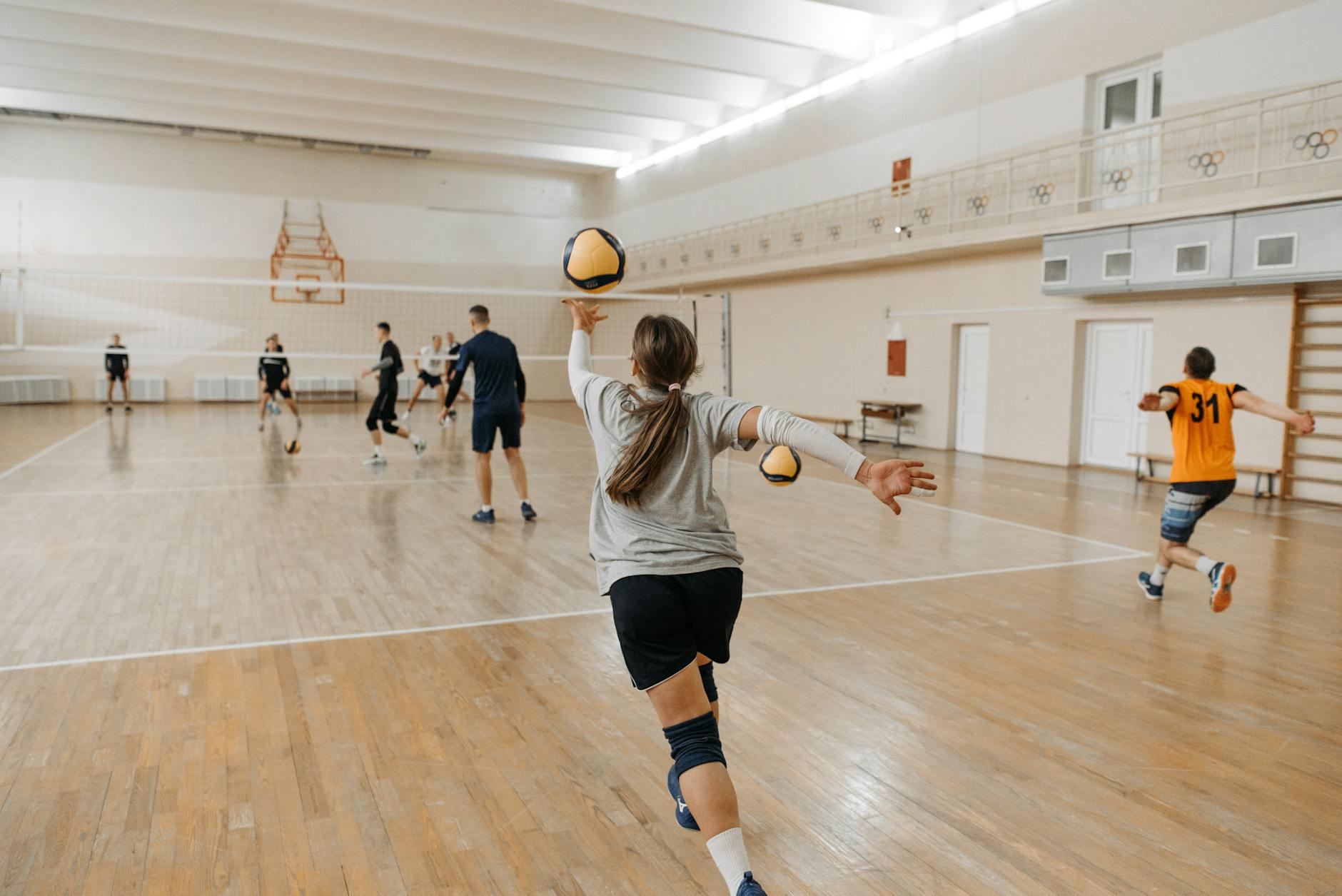
These activities blend cardio, coordination, and communication — plus built-in motivation and the power of social connection. They’re fun, competitive, and perfect for staying accountable and engaged.
Why it helps: Real-time focus and attention combine with social support to boost motivation, build structure, and help you stick with your routine.
- Basketball, Soccer, Volleyball: Fast-paced team play that keeps you moving and connected.
- Group Fitness Classes (Zumba, Spin, Orangetheory, Barre): High-energy workouts with a built-in community vibe.
- Crew / Rowing: Sync with your team for a powerful cardio and coordination boost.
- Recreational Leagues (Kickball, Dodgeball): Casual, social, and seriously fun ways to get moving.
📌 Tip: Join with a friend or a league to create a weekly ritual that keeps you coming back. (This is also a great way to meet a new like-minded, active friend or workout buddy!)
5. Strength & Resistance Training

Building mental grit and muscle, these workouts use repetition and structure to help you develop consistency, ease anxiety, and boost confidence and energy. This type of training is especially important for women over 30 to support bone health, metabolism, and overall well-being.
Why it helps: Creates structured goal-setting, builds discipline, and reduces anxiety through physical challenge — boosting confidence, mood, energy regulation, and executive functioning.
- Weightlifting or Bodyweight Circuits: Focus on controlled movements that build strength and focus.
- Functional Fitness: Think CrossFit alternatives or other high-structure workouts designed to keep you engaged and challenged.
- Kettlebells and Resistance Bands: Perfect for quick, effective sessions at home with minimal gear.
- Plyometrics & Isometrics: Dynamic moves like jump training (plyometrics) or static holds (isometrics) that build power, strength, and muscle endurance — great for variety and boosting coordination. (If you’re new to these, try out a class or follow along with an online workout for safe, guided practice and see if they might be a fun fit for you.)
📌 Tip: Keep workouts short (20–30 minutes) to avoid overwhelm. Focus on good form — a trainer-led class can be a great way to build confidence and get the guidance and support you need.
6. Sensory-Friendly & Nature-Based Movement

Spending time in nature lowers cortisol and supports sensory regulation. Add movement and you get a double dose of calm and clarity.
Why it helps: Nature soothes your nervous system, helps regulate sensory input, and boosts mood and focus.
Why it helps: Nature soothes your nervous system, helps regulate sensory input, and boosts mood and focus.
- Rollerblading or Ice Skating: Smooth, meditative gliding that’s both fun and calming.
- Paddleboarding or Canoeing: Movement meets stillness on the water for a peaceful, grounding experience.
- Golf or Mini Golf: Low-impact, outdoors, and perfect solo or social activities.
- Nature Hikes: Visual stimulation plus grounding — fresh air and scenic views to reset your mind.
📌 Tip: Whenever possible, choose low-stimulation environments to maximize calm and focus.
🧩 So… Which One Should You Choose?
The best workout is the one you’ll actually come back to, because it makes you feel good.
Start small. Experiment. Mix and match. There’s no “right” path here, only the one that energizes, supports, and aligns with your rhythm.
And if your movement practice has ever felt like a punishment, consider this your permission slip to rewrite the story. Movement can be joyful, healing, and deeply ADHD-friendly, if you let it.
When movement feels joyful and true to you, it becomes a source of strength, clarity, and calm — not just exercise.
Whether it’s boxing or ballet, weights or walking, movement is more than a wellness trend. It’s a form of self-trust, and a way to live in sync with your brain — not against it.
💬 What Works for You?
Do you have a go-to workout that helps you feel more grounded, focused, or just plain alive? Tell us on Instagram @hey.poppique or in the comments below. You never know who needs to hear your story.

Ready for more mind-body magic and ADHD-friendly fitness & wellness Ideas? 💌
Join a community that understands your unique energy and needs as an ADHD sister. Receive monthly tips, creative movement & momentum ideas, fitness inspiration and routine-building strategies to help you stay active, focused, and fulfilled—one small step at a time.
👉 Sign up for our newsletter and start making wellness work for you today! ✨
Comments