

Practical, ADHD-Friendly Strategies to Build Sustainable Fitness Habits Without the Pressure of Perfection
For many women with ADHD, sticking to a fitness routine isn’t about willpower—it’s about working with your brain, not against it. Executive function challenges, motivation swings, and all-or-nothing thinking can make consistency feel impossible. If your New Year’s workout plans fizzled out by mid-February, you’re not alone.
The good news? You don’t need rigid resolutions to build a movement routine that lasts. In this guide, we’re sharing ADHD-friendly strategies to help you break free from burnout, find movement you actually enjoy, and make fitness a natural part of your life—without the pressure of perfection. Plus, personal trainer and Orangetheory Fitness coach Alex (Lex) Evans offers expert insights to help you approach fitness in a way that truly works for your brain and body.
1. Find Movement You Actually Enjoy
Here’s the secret: fitness is way easier when it’s fun. If you’re not enjoying the activity, you’re less likely to stick with it. Think about the times you’ve felt joyful or even playful during movement—was it dancing around to your favorite song? Taking a hike with a friend? Maybe it was a yoga class that felt more like a chill hangout than a workout.
Finding an activity that excites you (yes, even for just a few minutes) is one of the most important steps in building a lasting routine. You don’t need to force yourself into a gym or become a marathon runner—find the thing that brings you joy, and let it be your fitness starting point.
💡 Try this: Go for what you love. Try a dance video, a beginner’s yoga session, or a brisk walk to a park you’ve never explored before. The goal is to make movement fun and rewarding!
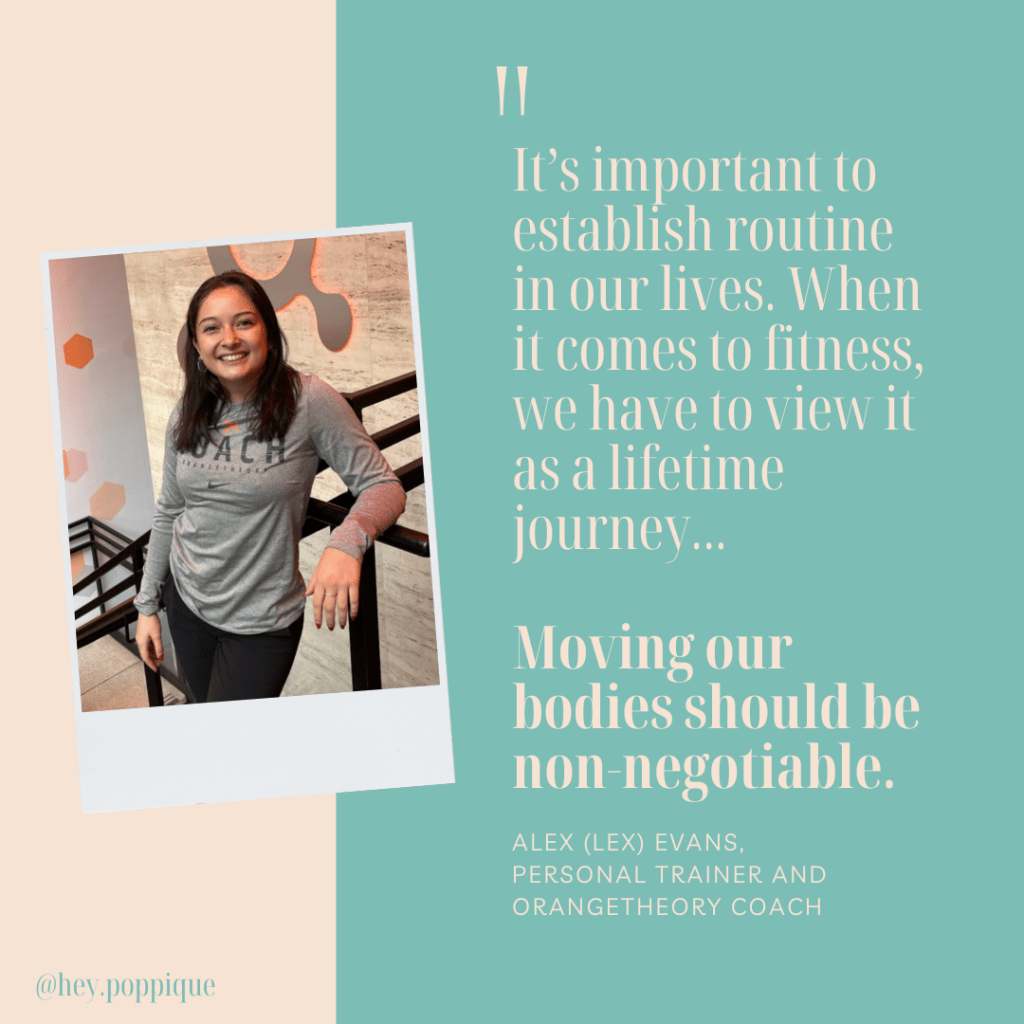
Small wins build momentum, and over time, they turn into bigger habits.
– Coach Alex (Lex) Evans
2. Start Small, Build Big
Fitness isn’t about diving in overnight—it’s about creating small, non-negotiable actions that fit seamlessly into your day. For ADHD brains, the less decision-making required, the better. Instead of committing to an hour-long workout, start with something simple: five minutes of stretching when you wake up or a 10-minute walk after dinner.
One of the biggest mistakes people make, Coach Lex advises, is going too hard, too fast. If you struggle with consistency, start ridiculously small—one squat, one stretch, or even just standing up for a few seconds every hour. This aligns with Stanford researcher BJ Fogg’s Tiny Habits method, which emphasizes making changes so small they feel effortless.
💡 Try this: If you want to start strength training, begin with one push-up after brushing your teeth. Small wins build momentum, and over time, they turn into bigger habits.
“Small wins build momentum, and over time, they turn into bigger habits,” Lex reminds us. Think of it as leveling up—once you consistently hit one small goal, it becomes easier to add on.
3. Reflect, Reset, and Keep Moving
DID YOU KNOW? The second Friday of January is often called Resolution Quitter’s Day—when motivation crashes and many give up on their goals.
Many fitness resolutions fail—not because of a lack of willpower, but because they’re built on unrealistic expectations. Instead of chasing perfection, focus on progress over perfection. Small, daily actions matter far more than the occasional big effort.
💡 Try this: Take five minutes to reflect on what wasn’t working. Was your goal too big? Too vague? Too dependent on willpower alone? Adjust your approach by setting smaller, more flexible targets—like “move for 10 minutes a day” instead of “work out for an hour.” The goal is to create a routine that works for you, not against you.
4. Micro Wins & ADHD-Friendly SMART Goals
Big, vague goals like “get fit” can feel overwhelming, making it easy to lose momentum. Instead, break them into small, trackable wins that provide immediate feedback—something ADHD brains thrive on.
SMART goals (Specific, Measurable, Achievable, Relevant, Time-bound) are helpful, but they work even better when paired with micro-wins. Celebrate each small victory—like hitting a step goal or showing up for a 10-minute workout. Success isn’t about intensity, it’s about showing up consistently, no matter how small the action. Start where you are, and build from there.
💡 Try this: Instead of saying “I’ll work out more,” set a micro-goal like “I’ll do five squats before my morning coffee” or “I’ll walk for five minutes after lunch.” These tiny wins create momentum, making it easier to stick with your routine.
Get Specific with Your Goals: Break Them Down
When it comes to building lasting fitness habits, clarity is key. Coach Lex recommends an exercise she uses with her students: Start by choosing one physical goal (like running a 5K or hitting a specific weight goal) and one non-physical goal (like improving your positivity or getting a promotion). Then, break them down even further:
- What habit can you do more of to help achieve that goal? This could be something like going to the gym more often, eating more protein, or taking regular walks.
- Get specific: What days and times will you commit to your workout? If you miss one, what’s your backup plan? How will you prep for healthy eating?
By scheduling these habits and breaking them into small, specific steps, you make it easier to integrate them into your routine. As Lex says, “getting specific and putting these things on the schedule can show us exactly how these goals fit into our lives.”
5. Create a Progress Chain
Progress chains are your best friend. Track your micro-wins on a calendar, app, or even a piece of paper on your fridge. The goal isn’t to keep the chain unbroken or check daily boxes, but to build it continuously and stay consistent over time. Miss a day? No problem—just pick up where you left off. It’s a visual reminder of your progress and how every step forward counts, even if it’s not perfect.
💡 Try this: Build your chain and let it grow. The trick is to celebrate all progress, even if you miss a day. Just keep going and notice how the chain grows longer—and so does your consistency!
6. Ditch the Outcome, Build the Habit
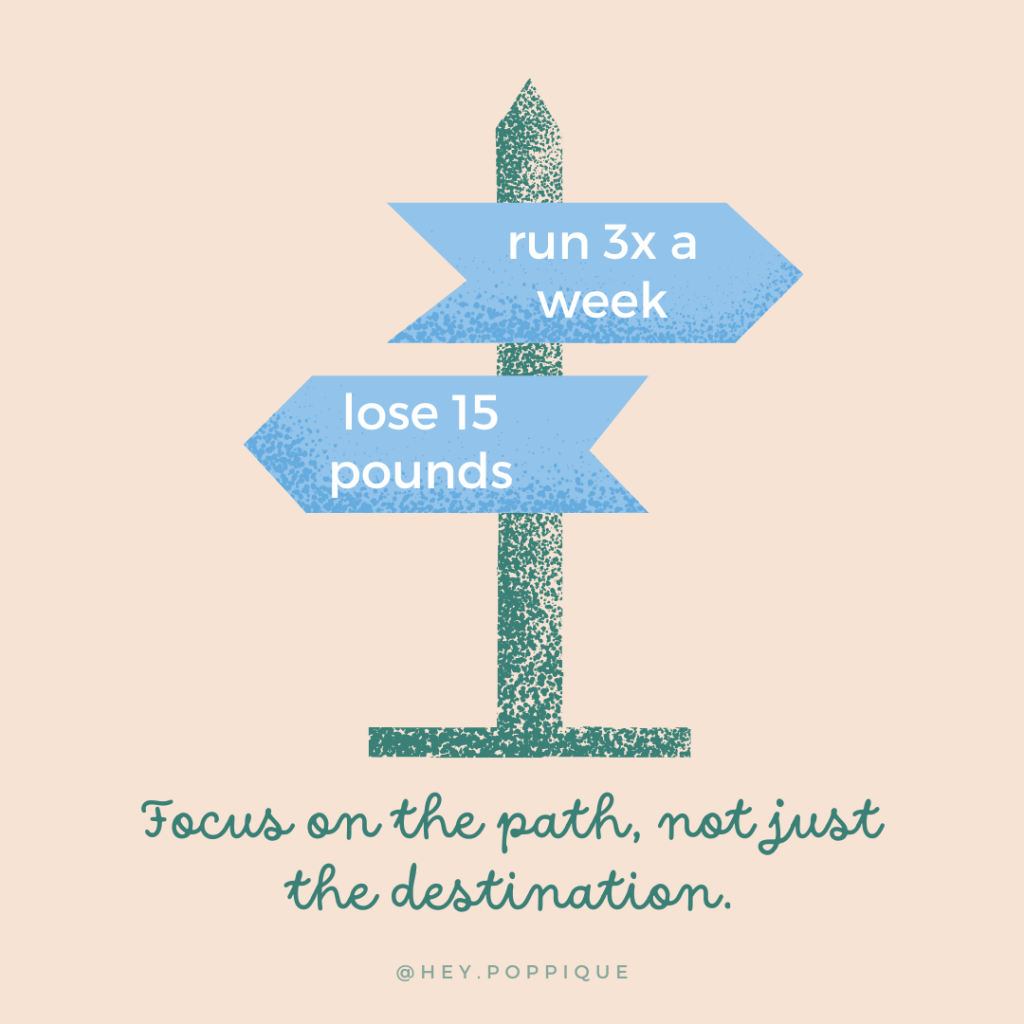
Outcome-based goals (like losing 10 pounds or running a marathon) can feel discouraging for ADHD brains because the results take time, and we often want that instant satisfaction. Instead, focus on process-based goals—the small, everyday actions that you can consistently follow through on. Process goals are about the how and when, not the big, far-off result. When you focus on the steps rather than the finish line, you create habits that actually stick.
For example:
🚦 Outcome Goal: Lose 15 pounds.
✅ Process Goal: Walk 10 minutes after lunch every day.
🚦 Outcome Goal: Run a 5k.
✅ Process Goal: Run for 5 minutes three times a week, and gradually increase from there.
🚦 Outcome Goal: Get stronger.
✅ Process Goal: Strength train twice a week, even if it’s just 10 minutes.
Process goals are all about showing up, even when the big result feels far away. When you focus on creating small, sustainable actions (like “move for 10 minutes”), you build momentum and consistency. These habits create a ripple effect, and over time, they naturally lead to bigger outcomes, like improved fitness or reaching a weight-loss goal.
It’s all about progress, not perfection.
7. Stacking Up to 150 Minutes
The American Heart Association says 150 minutes of moderate-intensity aerobic exercise a week is the sweet spot—but hey, that doesn’t mean you have to hit the gym for an hour at a time.
For ADHD brains, the magic happens in small bursts. Think 15-minute walks, dance breaks, or quick home workouts. Short sessions add up over time, and consistency is the key—show up regularly, and don’t stress about going hard every time.
Feeling overwhelmed by the 150-minute goal? Start small! Try just 10 minutes a day for a week or two. As you build confidence, bump it up to 15, then 20 minutes. Before you know it, you’ll be hitting that 30-minute mark—and building momentum in the process.
Remember, it’s not about cramming it all in at once. It’s about building habits that stick, one bite-sized step at a time.
8. Accountability is the Cheat Code
Let’s be real—sometimes, we all need that extra nudge to get moving. For many women with ADHD, having someone (or something) to keep us accountable makes all the difference. Whether it’s a workout buddy, a trainer, group classes, or texting a friend after you’ve crushed your workout, that external push can turn “I should” into “I did.”
On a budget? No worries! You can find ways to stay accountable without spending a dime. Look for free online communities, join a local walking group, or use fitness apps where you can track your progress with friends.
And remember—your environment shapes your habits more than you might realize. Surround yourself with active, motivated people, and watch your own momentum build.
9. No Time? No Problem.
“I don’t have time” is a classic fitness roadblock. But what if you reframe movement as a non-negotiable part of your day—just like brushing your teeth?
Even five minutes of stretching in the morning is better than nothing. Movement is medicine—fit it in however you can.
Anchor Your Movement to Daily Habits
Make fitness automatic by linking it to something you already do daily—this is called habit stacking. If you brew your coffee in the morning, do some calf raises while you wait. If you brush your teeth at night, add 10 squats before or after. Pairing movement with an existing routine removes the need to remember to work out—it becomes a natural part of your day.
If you wait for all the conditions to be met, you’re only going to establish your own barriers.
– Alex (Lex) Evans, Personal Trainer and Orangetheory Fitness Coach
10. Track Without the Trap of Perfectionism
It’s so easy to fall into the trap of thinking you’ve failed if you can’t hit an hour-long workout or your dream weight goal. But here’s the secret: Small, imperfect actions still add up to big progress. Perfectionism? It’s the enemy of consistency. So, toss it out the window.
Don’t stress about missing a day or not hitting your personal best. Celebrate showing up—whether it’s 5 minutes of stretching or a quick walk. Fitness isn’t about “all or nothing.” It’s about consistency, small wins, and showing up for yourself.
Tracking progress can be motivating, but for many ADHD women, missing a day feels like a total derailment. Try these flexible tracking methods to keep you on track without the pressure:
- Follow Lex’s “Never Miss Twice” Rule – If you skip a workout, commit to making the next one happen.
- Use Progress Chains, Not Streaks – Mark wins but allow for rest days.
- Set Microrewards – Celebrate hitting 10 workouts overall, not just perfect streaks.
- Weekly Resets – Start fresh each Monday instead of fixating on gaps.
Lex shares:
“Trackers have never really worked for me because the days I miss seem to glare at me more, and it makes me think that I have failed. One thing that helps keep me on track is to never miss two days in a row. If I have a workout scheduled for Tuesday and Thursday, and I miss Tuesday, I will do everything I can to make sure I don’t miss Thursday.”
An aspect of Atomic Habits that I have made a part of my life is to make the habit part of your identity. If you want to read more books in 2025, you can start saying, ‘Yeah, I’m a reader.’ If you want to work out more, you can start saying, ‘I’m a person that works out.‘
– Coach Alex (Lex) Evans
10. Make Fitness a Part of Your Identity
Instead of trying to “perfect” your workout routine, try making it part of who you are. If you want to work out more, tell yourself repeatedly, “I’m a person who works out.” By integrating fitness into your identity, you turn it into something natural, not a task to check off.
When things get off-track (and they will), remind yourself: “I’m an athlete who works out.” This mindset shift helps get you back on track without guilt or shame.
Even fitness pros like Coach Lex lean on this habit trick:
“Surprisingly, it is very easy to fall out of my own fitness routine. On any given week, I will coach 100+ people both in groups and privately, so that doesn’t always leave room for me. But I remind myself, ‘I work in fitness, and I am an athlete that works out.’ And that helps me get back into it.”
The key is consistency, not perfection—because the habits you build will shape you, one small action at a time.

11. Try Something New Every Month
Variety is the spice of life—and it’s also the key to keeping fitness exciting! Mix things up by trying something new every month. Whether it’s a new fitness class or sport, a new route for your walk, or a new workout challenge, switching things up can keep you engaged and motivated.
It’s all about keeping things fresh and exciting so you don’t get bored or burn out. Plus, you never know when you’ll find a new favorite way to move!
12. Plan for Obstacles Before They Derail You
Even with the right mindset, challenges will pop up. Instead of waiting for them to throw you off track, anticipate and plan ahead. Instead of waiting for the “perfect” conditions to start your fitness habit, anticipate challenges and create a game plan.
💪 Gym intimidation? Try group fitness or a structured program where you don’t have to figure things out alone.
📅 Worried about motivation? Pre-book and pay for a class to create commitment.
💸 Limited budget? There are expert-led programs at every price point, from personal training to free online resources.
The key is to remove decision fatigue and make showing up the easiest option.
Like any skill, you have to become a student. This is where I say, hire the professionals. There are training options for all budgets. Of course we’d all love to work with Personal Trainers three times a week but that ‘s not feasible for most people. That is why group fitness exists. Of course I love the format of Orangetheory because you get the expertise of a personal trainer at a group fitness price and you get to build community at the same time. If that is still out of the budget then there are online programs you can buy into or even free videos on YouTube.
– Coach Alex (Lex) Evans
Final Thoughts: Be Your Own Best Coach
Give yourself grace. Life happens, and sometimes you miss a workout. Don’t beat yourself up. Progress is about showing up, even in small ways. Some days will be harder than others, but instead of being hard on yourself, practice self-compassion. Be your own biggest cheerleader—treat yourself like you would a close friend.
Remember, fitness isn’t a race. It’s about building habits that work for you. So, take a deep breath, forgive yourself, and keep moving forward.
Take Action Today:
Choose one small step—whether it’s a 10-minute walk, signing up for a class, or texting a friend to be your accountability buddy. Small steps add up to big change.
Progress, not perfection. You’ve got this! 💪✨
So, what’s one small step you can take today? Share your plan in the comments, or tag us on social media with your ADHD fitness win! Let’s celebrate progress together. 💪✨

Looking for ADHD-Friendly Fitness & Wellness Ideas? 💌
Join a community that understands your unique energy and needs as an ADHD sister. Receive monthly tips, creative movement & momentum ideas, fitness inspiration and routine-building strategies to help you stay active, focused, and fulfilled—one small step at a time.
👉 Sign up for our newsletter and start making wellness work for you today! ✨
Resources List:
- Orangetheory Fitness: An ADHD-friendly, heart-rate-based program with short, high-intensity workouts that offer measurable results and can be tailored to your fitness level. Visit OTF to learn more or find a studio near you!
- James Clear’s Atomic Habits: A guide to building lasting habits through small, consistent actions. Ideal for ADHD brains seeking actionable tips for sustainable routines.
- Article: The Secret To Better Habits In 2025 by Ryan Holiday – Explores the power of focusing on process over outcome goals for building sustainable habits.
- Article: Setting Goals That Work WITH Your ADHD Brain – Practical strategies for creating goals that align with ADHD brain chemistry for sustainable success.
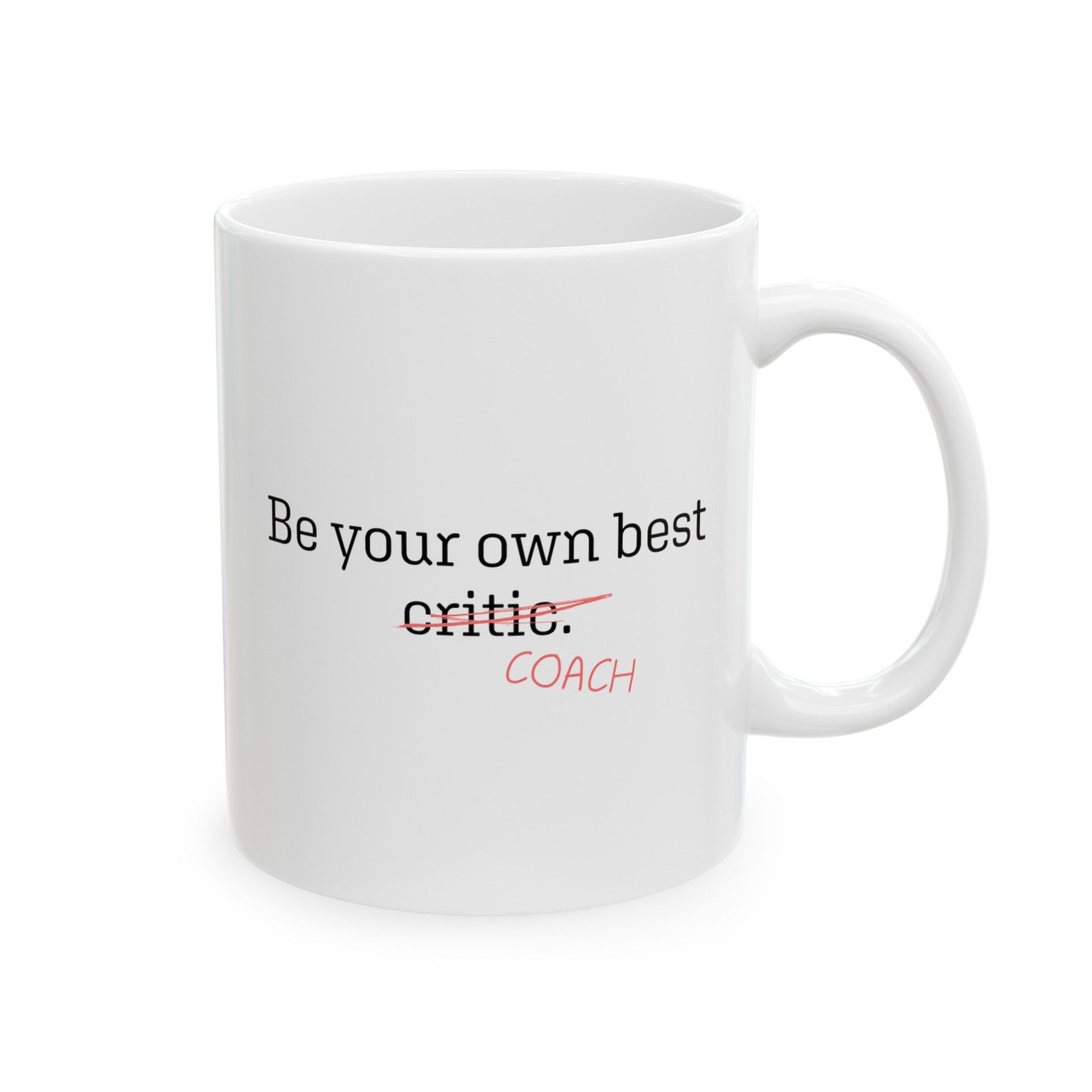
- Be Your Own Best Coach Mug – Start your day with positivity and warmth! Perfect for hot drinks and a great addition to any workspace. Available in the Poppique Boutique.
Comments